Nine Small Moves That Turn a First Visit Into a Lasting Local Relationship
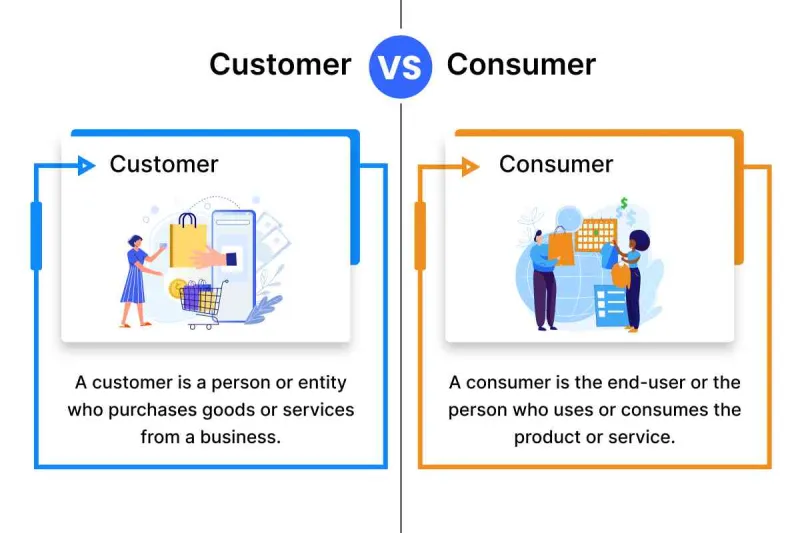
Photo: customer greeting local small business owner at shop counter, via www.revechat.com
Being a great local customer is a skill. I do not mean being a pushover or pretending every experience is perfect. I mean knowing how to show up in a way that makes a small business want to keep you. The payoff is not a secret discount. It is a real relationship, better service, and a neighborhood that feels less anonymous.
Here are nine habits I think separate a forgettable transaction from a relationship that lasts.
1. Book and cancel like a grown-up
Appointments are a promise. If you need to cancel, do it early and do it directly. Do not ghost a small business and then act surprised when they cannot fit you in next week. A plumber, a stylist, or a tattoo artist who holds a slot for you is often turning away other work. Treat that slot with the same respect you would want if you were the one waiting.
2. Bring a real question, not an interrogation
It is fine to ask about pricing, timelines, and experience. It is not fine to treat every conversation like a cross-examination. Ask the questions that actually affect your decision. Then listen. A good local provider will appreciate a customer who knows what they need and does not need a three-act drama before every purchase.
3. Learn the name of the person who helps you
Names matter in small businesses. The person who cuts your hair, fixes your bike, or answers the phone is not a faceless extension of a brand. They are a neighbor. Learn their name. Use it. Remember it the next time. This is not about being fake-friendly. It is about seeing the human in front of you.
4. Describe the problem, not the villain
When something goes wrong, be specific. Say what happened, when it happened, and what you need. Avoid turning the owner into a character in a morality play. A clear complaint is easier to solve than a speech. You are not there to perform outrage. You are there to get the problem fixed.
5. Pay, tip, and wait without making it weird
Pay what you owe without treating it like a negotiation. Tip where tipping is expected. If there is a line, wait your turn. If there is a delay, ask a question instead of making a scene. None of this means you cannot advocate for yourself. It means you can do it without making the person behind the counter the villain of your day.
6. Leave reviews that help the next neighbor
A review is not a diary entry. It is a signal to the next customer. Say what you bought, what went well, and what did not. Be specific enough to be useful. If a business made a mistake and fixed it, say that too. On Yellocus, the most helpful reviews are the ones that read like a neighbor giving another neighbor the short version of the truth.
7. Give private feedback before public punishment
If something goes wrong, call or email the business first. Give them a chance to respond. Most small owners would rather hear about a problem directly than read about it in public. That does not mean you owe them silence. It means you owe them a phone call before you owe the internet a performance.
8. Respect the clock and the boundary
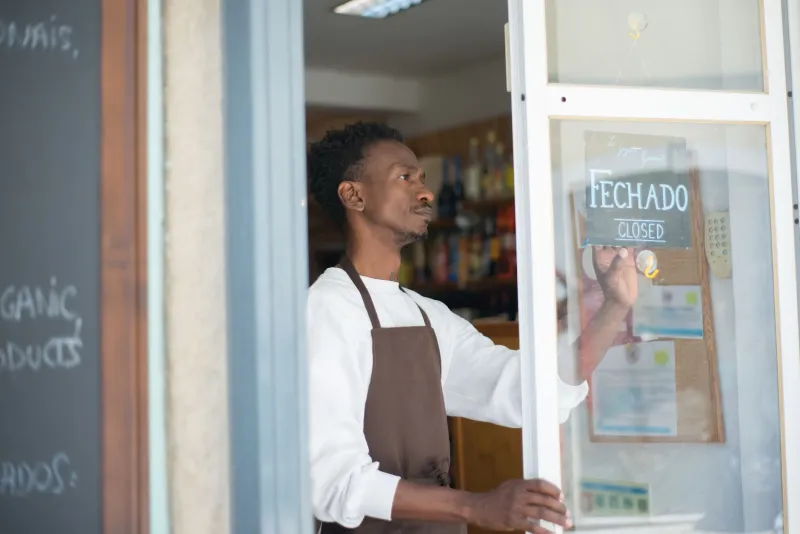
Closing time is closing time. A business hours sign is not a suggestion. Do not show up five minutes before close and act like you have all night. Do not call after hours and expect a personal reply. Do not ask for a discount because you are a regular. Respect the boundary, and you will be treated like someone who understands the job.
9. Come back and say why
The best customers return. Not just because the work was good, but because they want the business to know it. Say thank you. Refer a friend. Leave a review that mentions the thing you loved. A small business owner remembers the people who came back, not just the people who paid once.
Being a great local customer is not complicated. It is mostly about being clear, fair, and human. The reward is not a secret handshake. It is the feeling that you are part of the place where you live. And that is worth more than a discount.