Squeezed From All Sides: The Silent Struggles of Your Favorite Local Shop—and What You Can Actually Do About It
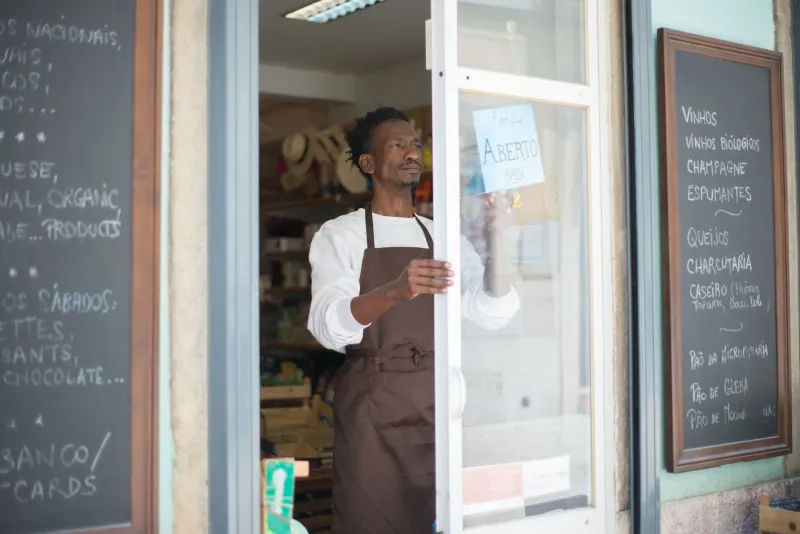
There's a good chance your favorite local service provider is quietly grinding through one of the hardest stretches in recent memory. The plumber who's been fixing pipes in your neighborhood for 15 years. The electrician whose van you've seen parked on your street since before your kids were born. The lawn care crew that knows your yard better than you do.
They're not complaining about it—that's not really their style. But behind the friendly handshake and the honest invoice, there's a whole lot of pressure building up. And as someone who relies on these businesses, understanding what they're up against might just change how you interact with them.
The Cost Crunch Nobody's Talking About
Let's start with the basics: running a local service business in America right now is expensive in ways it simply wasn't five or ten years ago. Labor costs have climbed. Fuel prices swing wildly. Insurance premiums keep ticking upward. The cost of tools, equipment, and replacement parts has surged—partly thanks to supply chain disruptions that haven't fully untangled themselves since the pandemic reshuffled global logistics.
A small HVAC company in Ohio or a solo electrician in suburban Texas doesn't have a procurement department negotiating bulk discounts. They're buying what they need, when they need it, at whatever price the market's charging that week. When a part that used to cost $40 now runs $75, that gap has to come from somewhere—and independent operators often absorb it rather than risk losing a loyal customer.
Meanwhile, the big national chains and franchises aren't sweating these fluctuations the same way. They've got the reserves, the supplier relationships, and the marketing budgets to ride out rough patches. Your local guy? He's calculating every job down to the dollar.
The Chain Competition Problem
Here's something worth sitting with: a well-funded national service brand can afford to run loss-leader promotions, flood your neighborhood with mailers, and dominate local search results through sheer advertising spend. They can offer slick apps, loyalty programs, and 24/7 call centers that feel impressive on the surface.
Local businesses can't match that infrastructure—and they shouldn't have to. What they offer instead is something more valuable: accountability, community investment, and the kind of personalized service that comes from actually knowing the neighborhoods they work in. But when consumers default to whoever showed up first in a Google search or offered the flashiest coupon, independent operators lose ground they can't always recover.
This isn't about demonizing national brands. It's about recognizing that the playing field isn't level, and that your choices as a consumer have real downstream consequences for the local economy.
You're More Powerful Than You Think
Here's where it gets interesting—and honestly, a little empowering. Supporting a local business doesn't just mean hiring them. There's a whole range of ways to show up for them that most people never consider.
Be flexible with scheduling. This one's underrated. Local service providers often operate lean—sometimes it's just the owner and one or two employees. When you can offer flexible windows for non-urgent jobs, you help them optimize their routes and reduce wasted time. That's real money back in their pocket.
Pay promptly. Cash flow is everything for a small operation. A delayed payment on a $600 job can genuinely create a problem for a business running tight margins. If a local provider did good work, paying on time (or even early) is a quiet but meaningful form of support.
Leave honest, detailed reviews. Not just a star rating—actual specifics. "Maria from Sunshine Plumbing was on time, explained everything clearly, and fixed the issue in under an hour" does a lot more work than five stars with no context. Detailed reviews build the kind of trust that converts new customers, and they also help the business understand what they're doing right.
Refer them by name. When a neighbor asks for a recommendation, don't just say "I found someone online." Say the name. Share the number. Text the contact. Word-of-mouth referrals from real people carry weight that no ad campaign can replicate.
Give feedback directly. If something didn't go quite right, tell them—professionally and kindly. A local business owner who hears "hey, the technician was great but the scheduling communication was a little rough" has a real shot at fixing that. A scathing anonymous review helps no one. Direct feedback is a gift.
Become a Community Advocate
There's a bigger-picture move here too. Local business directories like Yellocus exist precisely to help consumers find and connect with service providers in their area—but those platforms only work if people actually use them. When you search for a plumber or a handyman or a cleaning service through a local-focused directory instead of just defaulting to a national brand's website, you're actively tilting the discovery advantage toward independent operators.
Beyond that, consider what it means to advocate in your community. Show up to local business events. Share a small business's social post. Mention them in your neighborhood Facebook group or Nextdoor thread. These micro-actions accumulate into something meaningful over time.
Some communities have even started informal "buy local first" pledges—not as some rigid rule, but as a conscious default. Before calling the 1-800 number, check if there's a local option. Chances are, there is.
The Real Stakes
When a local service business closes, the loss goes beyond inconvenience. It's a job gone. It's a family's income disrupted. It's a person who knew your neighborhood, your quirky old boiler, your house's specific electrical quirks—gone. And it's a piece of the local economic ecosystem that doesn't just get replaced by the next chain that moves in.
The businesses that make your community feel like a community are under real pressure right now. They're not asking for sympathy—they're too busy working for that. But they could use your awareness, your loyalty, and your willingness to engage with them as partners rather than just vendors.
You've got more leverage here than you realize. Use it.
