The Viral Tax: What a Sudden Crowd Really Costs Your Favorite Local Spot

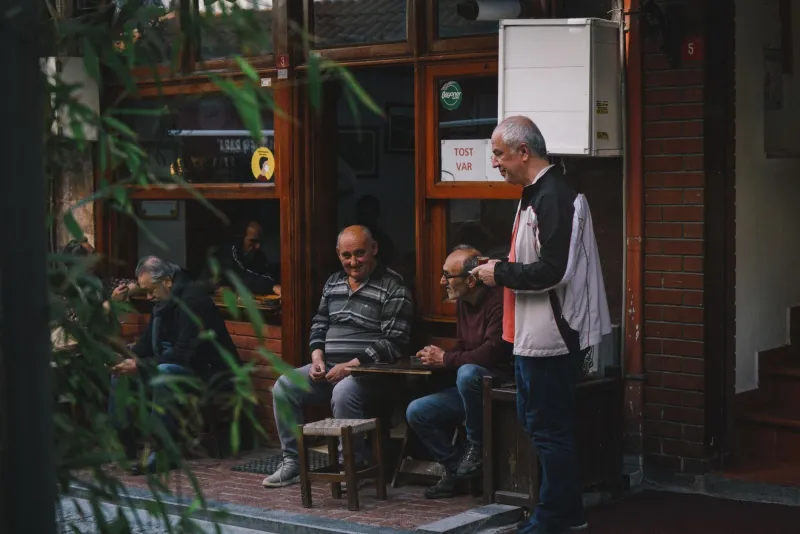
Photo: Donald Trung Quoc Don (Chữ Hán: 徵國單) - Wikimedia Commons.(Want to use this image?), CC BY-SA 4.0, via Wikimedia Commons
There's a particular kind of Tuesday morning that happens to a small business exactly once in its life. The doors open at seven. By seven-twenty the line is out the door and down the sidewalk, and the owner is standing behind the counter doing math in their head that has nothing to do with the register.
That's the viral morning. Somebody with a decent phone and a big following filmed the thing your neighborhood already knew about, and now the internet wants a piece of it.
Everyone cheers for this. The local paper runs a story. The comments say so deserved. And it is deserved. It's also, quietly, one of the most dangerous weeks a small business will ever have.
Revenue Is Not the Same Thing as Money
Here's the part that gets skipped in the celebratory posts: a rush doesn't arrive with the cash to pay for itself.
The basics go first. Extra product gets bought at retail or from a competitor because the wholesale order already shipped and the next delivery is Thursday. Staff work doubles and time-and-a-half, and someone has to be called in from their day off. Card processing fees tick up with every transaction. Somewhere in the crush, an order gets dropped, a plate goes back to the kitchen, a refund gets issued, a round of drinks gets comped because the wait crossed an hour.
Then comes the lag. Card batches settle over a few days. Payroll hits Friday no matter what. So the owner who just had their best sales week of the decade is watching their account balance go down while the deposits catch up.
And whatever doesn't sell — the trays made in anticipation of a Sunday crowd that showed up Saturday — becomes waste.
None of this means the attention is bad. It means the attention is a spike in volume with a delayed payout and an immediate increase in cost. Plenty of small operators ride it out fine. Plenty also come out the other side with a wiped-out team and a card balance that scares them.
The Staff Math Nobody Posts About
The people behind the counter are the ones absorbing the surge in real time. They're the ones getting the fifteenth question about the thing they saw online. They're the ones working back-to-back doubles during a week when the schedule was written three weeks ago.
Burnout in a small business doesn't announce itself. It looks like the reliable closer suddenly putting in two weeks' notice in early March, six weeks after the video. It looks like the person who trained everyone leaving for a chain that offers predictable shifts. It looks like a hiring spiral: train someone fast, lose them faster.
The cost of replacing a good counter person — the training hours, the mistakes, the customer patience it eats — is real money. It just never shows up on the same line of the spreadsheet as the viral revenue.
The Regulars Are the Ones Who Pay
Here's the uncomfortable trade. When a place gets slammed, the people who kept it alive for nine years get pushed to the back of the line.
The hours change. The menu gets cut to the fast items. The thing the regular always orders is sold out by noon. The owner, who used to have thirty seconds to say hello, now has none. None of it is personal, but it lands personally.
And regulars are polite. They don't complain. They just start coming less often, and there's no announcement when they stop.
So the sequence looks like this: the crowd arrives in a wave, the regulars step aside to wait it out, the wave recedes in a matter of weeks because the algorithm has moved on, and the shop is left with the exact customer base it had before — except a portion of it now has a standing habit formed somewhere else.
That's the viral tax. It's paid later, by someone who never got the follower count.
The Owners Who Come Out Ahead
The ones who survive a surge intact tend to do a few unglamorous things. They cap the crowd instead of feeding it: a limited menu for two weeks, a ticketing system, reservations for the dinner rush, a pause on new custom orders. They hire temp help and pay it properly. They post a plain, friendly note that says, essentially, we're thrilled, please be patient, and yes we still have the thing.
And the sharp ones build a locals night or a quiet weekday window and tell their regulars, out loud, that it's for them.
How to Enjoy the Moment Without Adding to It
You don't have to stay home to be a good neighbor. You just have to be a little strategic about it.
- Go off-peak. Mid-afternoon on a Wednesday is a different business than Saturday at noon.
- Order what they're known for, not necessarily what the video showed. The kitchen is set up for its own menu.
- Ask before you post the quiet spot. Some owners want the reach. Some are holding on by their fingernails. It costs nothing to ask.
- Tip like the staff are running a marathon, because they are.
- Don't take the sold-out sign personally. That's the whole point of being busy.
- Write the review in six weeks, not in the middle of the crush. That's when a five-star notice actually helps.
The real test of a viral moment isn't the week it happens. It's February, when the line is back to normal and you're still there. That's the version of local love that shows up on the balance sheet.