One Upgrade, A Thousand Consequences: The Hidden Economic Power of a Local Business Investment
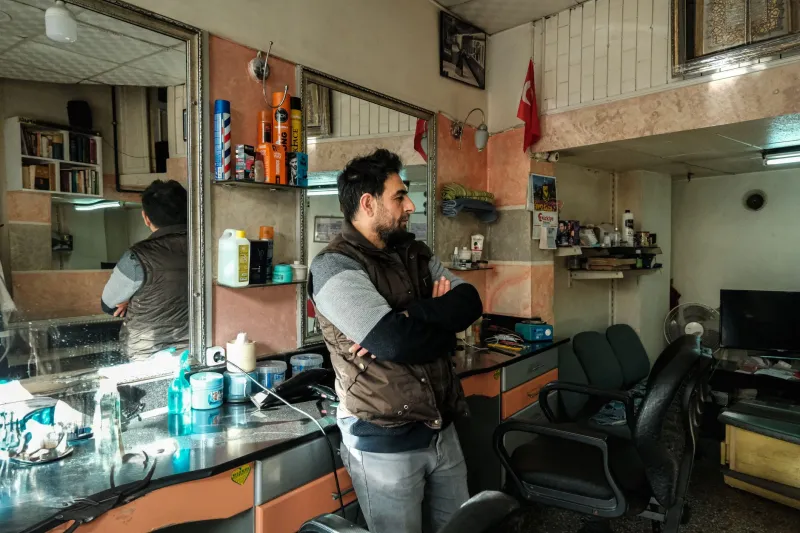
Picture this: You walk into your usual hair salon and notice a sleek new styling chair. Maybe there's a fresh piece of equipment behind the shampoo bowls, or a brand-new point-of-sale system on the front desk. You sit down, get your cut, pay your bill, and head home.
What you probably didn't think about? That chair — or that software subscription, or that new set of tools — just nudged your local economy in a direction you'll eventually feel, even if you never connect the dots.
This is what economists call a multiplier effect, and it's one of the most underappreciated forces in any community. When a local business owner makes a meaningful investment in their operation, the money doesn't just disappear into some corporate vault. It ripples outward, touching lives and livelihoods in ways that are surprisingly far-reaching.
The First Ripple: Where the Money Actually Goes
Let's say your stylist spends $3,000 on a new professional hair dryer station from a beauty supply distributor based two states over. That purchase supports a warehouse worker's paycheck, a logistics driver's route, and a sales rep's commission. But here's where it gets interesting for your town specifically.
If that stylist sources even part of that equipment locally — maybe through a regional supplier or a local commercial equipment dealer — the money stays closer to home. Local suppliers tend to bank locally, hire locally, and spend locally. So that initial purchase starts circulating through your community like water finding its level.
Now scale that up. Every time a local business owner reinvests in their operation — new signage, upgraded software, a second employee, a remodeled waiting area — they're making a choice that has economic geography. Where the money lands matters enormously.
The Job Creation You Don't See Coming
Here's a dynamic that rarely makes the news: small business investment and job creation often move together in ways that aren't immediately obvious.
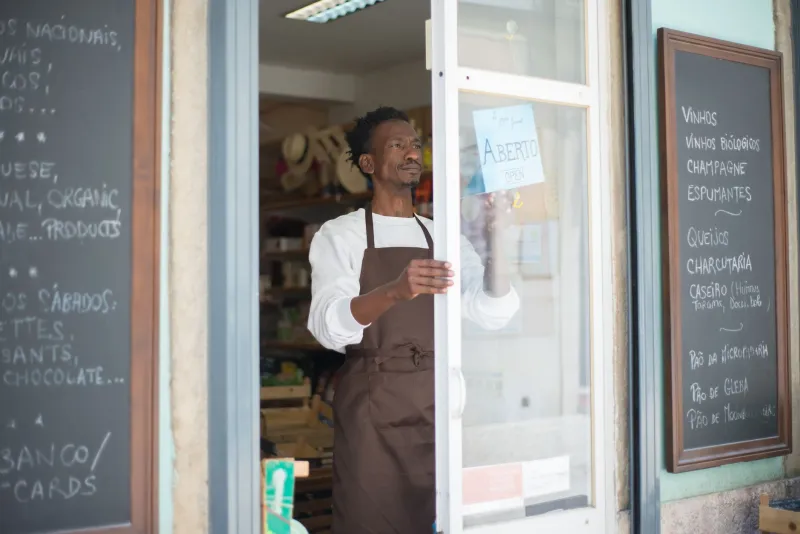
When a local plumbing company buys two new service vans, they're not just improving their fleet. They're signaling growth. That growth often means a new hire — maybe an apprentice, maybe an office coordinator. That new employee needs a place to live, spends money at the diner down the street, and maybe enrolls their kid in a local soccer league. The van purchase didn't create that job directly, but it was the catalyst.
This kind of indirect job creation is what makes local business investment so potent. A national chain reinvesting in a location sends most of that capital upstream to corporate suppliers and shareholders in another zip code. A local business owner reinvesting keeps the momentum local.
Your Favorite Shop Is Part of a Network
One thing that often surprises people when they start paying attention: local businesses are deeply interconnected. Your stylist might refer clients to the esthetician next door. The esthetician orders her products from a local beauty supply store. That store's owner gets her accounting done by a solo CPA two blocks away. That CPA sponsors the Little League team.
When any one of these businesses invests in growth, the whole network benefits. A thriving salon attracts foot traffic. Foot traffic helps the café across the parking lot. A busier café justifies staying open an extra hour. That extra hour serves the evening crowd from the gym that just opened nearby.
Yellocus exists precisely because this network is real and valuable — and because consumers who understand it make smarter decisions about where to spend their money. When you use a local business directory to find a neighborhood service provider, you're not just solving a personal problem. You're plugging yourself into a system that quietly sustains your community.
The Confidence Signal That Spreads
There's a psychological dimension to local business investment that doesn't get nearly enough attention. When a business owner decides to spend real money on their operation, they're making a bet on the future. They're saying: I believe this neighborhood has legs. I believe my customers will still be here next year.
That kind of confidence is contagious.
Other business owners on the same block notice. Commercial real estate landlords notice. The local bank that holds the business's line of credit notices. Even city planners and economic development offices pay attention to whether local businesses are investing or contracting.
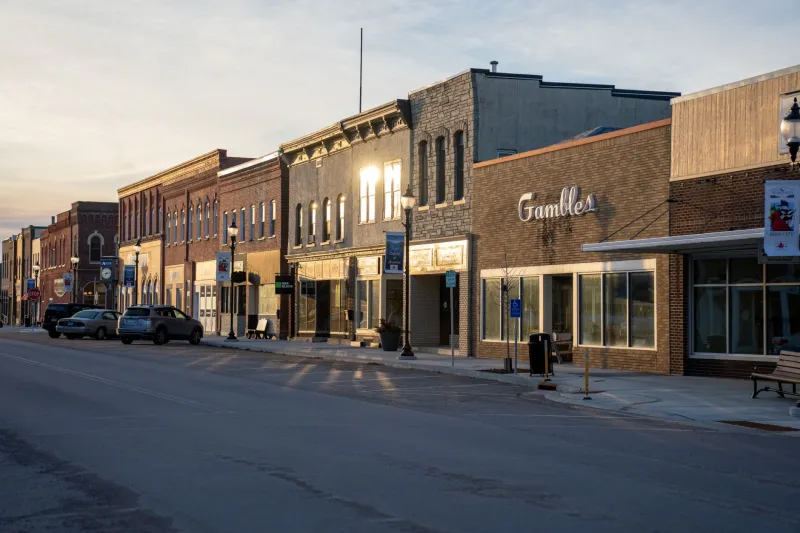
A single upgraded storefront can be the thing that keeps a neighboring business owner from throwing in the towel. It's hard to quantify, but ask any small town that's watched a main street come back to life after years of decline — it usually starts with one or two businesses deciding to bet on themselves.
What This Means for You as a Consumer
So what do you actually do with this information? A few practical things worth considering:
Pay attention to upgrades. When a local business invests in improvements, that's a signal worth noticing. It usually means they're doing well enough to reinvest, which is a quality indicator in its own right. A business that's growing tends to be a business that's doing something right.
Leave a review when they level up. If your go-to mechanic just expanded their bay or your local bakery added a new oven and the results show in the product, say so publicly. That review doesn't just help the business — it validates the investment and encourages more of it.
Ask about it. Local business owners genuinely love talking about their work. If you notice a new piece of equipment or a fresh renovation, ask about it. You'll learn something, they'll feel seen, and you'll deepen a relationship that has real value for both of you.
Choose local when you have a real choice. Not every service can be sourced locally, and nobody's saying you should go out of your way to make things harder for yourself. But when you have comparable options, understanding the ripple effect is a pretty compelling reason to go with the neighborhood provider.
The Bigger Picture
It's easy to look at a local business as just a place where a transaction happens. You need a haircut, you pay for a haircut, done. But there's a whole economic story underneath that exchange, and it's a story your community is writing in real time.
Every investment a local business owner makes — big or small — is a vote for the place you both call home. And every time you show up for that business, review it honestly, and recommend it to a friend, you're casting a vote right back.
That's not a small thing. That's how towns stay alive.
Next time you notice something new at your favorite local shop, take a second to appreciate what it represents. Someone made a bet on your neighborhood. The least we can do is notice.