What the Businesses on Your Main Street Are Actually Telling You About Your Town's Next Chapter
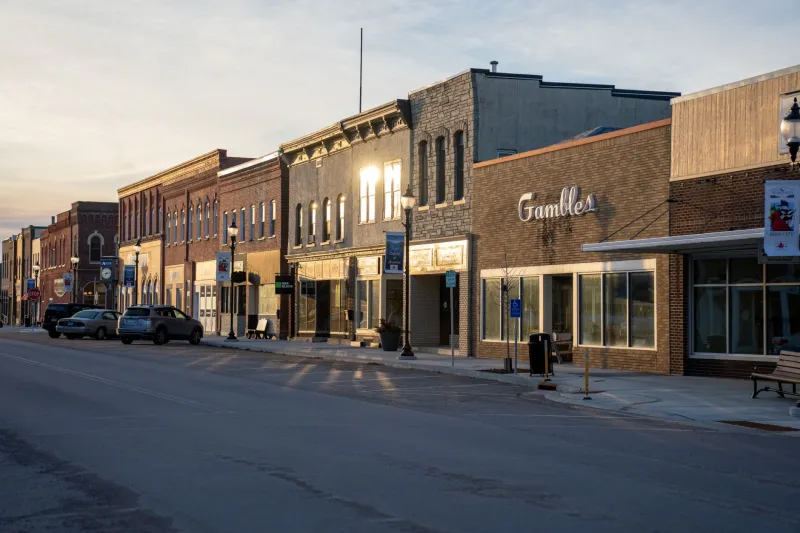
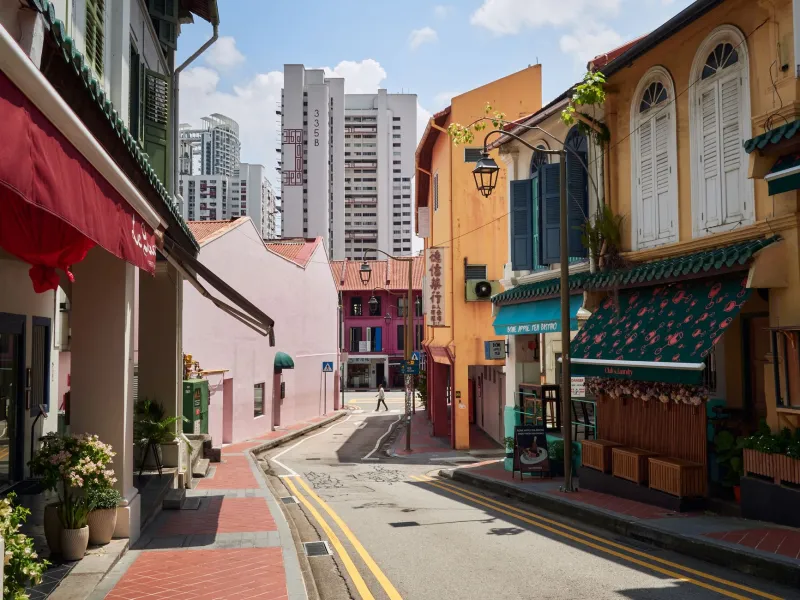
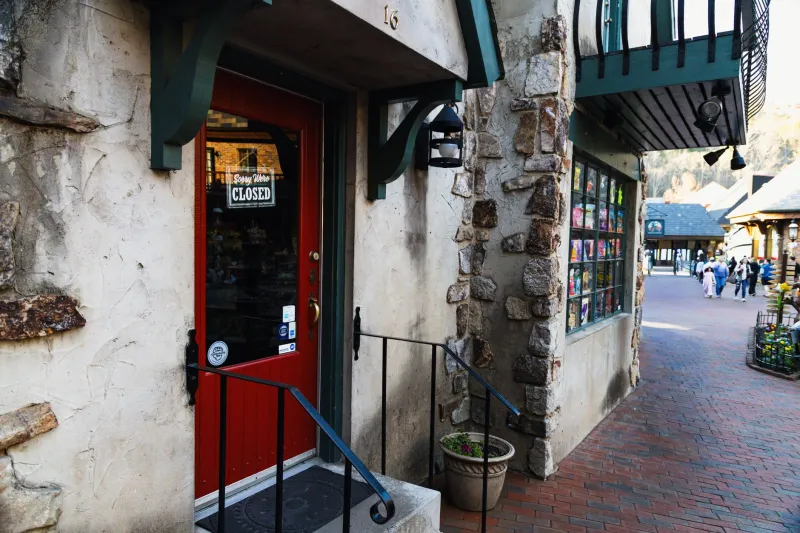
Take a slow walk down your main commercial strip sometime this week. Not a quick errand run — an actual, deliberate stroll where you look at what's open, what's closed, what just moved in, and what's been sitting vacant for two years. What you're looking at isn't just a collection of storefronts. It's a kind of living document, updated in real time, about the economic and social health of the place you call home.
Local businesses function like a community's vital signs. And once you know how to read them, you'll never look at a new coffee shop or a shuttered dry cleaner the same way again.
The Opening Act: What New Businesses Signal First
When a new business opens in a neighborhood, it's rarely random. Entrepreneurs do homework. They study foot traffic, median incomes, commute patterns, and demographic data before they sign a lease. So when a yoga studio, a specialty grocery, or an upscale pet groomer shows up in an area that used to have none of those things, that's a signal — someone with money on the line believes the neighborhood is changing.
Similarly, the type of business matters enormously. A payday loan shop and a craft cocktail bar opening on the same block in the same month tell completely different stories about who's moving in and who's moving out. Neither one is making a moral statement — they're both just following their customer base. But together, they might hint at a neighborhood in genuine transition, where longtime residents and newer arrivals are still figuring out how to coexist.
First-mover businesses — the ones that open before an area fully "arrives" — often shape what comes next. A single well-reviewed local restaurant in a quiet district can attract foot traffic that convinces the next three business owners to take a chance on the same block. The ripple effect is real, and it starts with one person betting on a place before everyone else does.
The Steady Middle: What Thriving Business Ecosystems Actually Look Like
Healthy towns tend to have a specific kind of business diversity that gets overlooked in conversations about economic vitality. Everyone notices the flashy new brewery or the boutique fitness studio. Fewer people pay attention to the hardware store that's been there for 40 years, the family-owned tax prep office, or the alterations shop tucked between two bigger retailers.
That mix — the combination of legacy businesses serving everyday needs alongside newer concepts attracting new residents — is the sweet spot. It means a community is growing without completely shedding its identity. It means there's enough economic activity to support different price points and different lifestyles. And it means residents across income levels can actually find what they need locally, rather than driving 20 minutes to a big-box retailer.
When you see that kind of layered ecosystem, you're usually looking at a community that's doing something right. Local dollars are circulating. Residents are engaged. Landlords are maintaining properties because tenants are sticking around.
On platforms like Yellocus, this diversity shows up clearly in the categories and subcategories that fill out a given ZIP code. A town where you can find reviewed and rated providers across dozens of service categories — home repair, childcare, auto services, food, health, and more — is a town with economic depth. A town where only a handful of categories have any listings? That gap is telling you something.
The Warning Signs: What Gaps and Clusters Reveal
Here's where it gets really interesting. The absence of certain businesses is just as revealing as their presence.
No grocery store within a reasonable distance? You might be looking at a food desert — an area where lower incomes, limited transportation, and lack of investment have created real hardship for residents. No childcare providers? That signals either a very young or very old demographic skew, or a working-parent population that's been forced to look elsewhere. No independent restaurants at all, just chains? That often points to a transient population — people who are passing through or haven't yet committed to the community long-term.
Clusters can be just as telling. A sudden surge of nail salons, check-cashing businesses, or discount stores in a previously mixed commercial area can indicate economic stress spreading through a neighborhood. An unusual concentration of medical offices or urgent care clinics might reflect an aging population or an underserved healthcare market. These patterns aren't judgments — they're data points.
Real estate investors, urban planners, and community organizers read these signals constantly. As a consumer, you can too.
The Long View: How Local Business Patterns Predict Demographic Shifts
Here's something worth sitting with: businesses don't just respond to demographics — they help create them. A neighborhood that attracts a strong cluster of family-oriented businesses (tutoring centers, pediatric dentists, kids' activity studios) becomes more attractive to young families, which brings more of those businesses, which attracts more families. It's a self-reinforcing cycle.
The same works in reverse. When anchor businesses leave — the longtime diner, the neighborhood pharmacy, the hardware store — they take more than their services with them. They take a reason for people to walk that block, bump into neighbors, and feel connected to the area. That social infrastructure is genuinely hard to replace, and its erosion often precedes broader neighborhood decline by years.
Pay attention to which businesses in your area are celebrating anniversaries versus which ones seem to turn over every 18 months. Longevity is a sign of community investment — both from the business owner and from loyal customers who keep showing up. When you see a shop that's been operating for a decade or more, you're looking at a relationship between a business and its community that's survived recessions, pandemics, and shifting tastes. That kind of staying power doesn't happen by accident.
What You Can Actually Do With This Information
Reading your town's business landscape isn't just an intellectual exercise. It has practical implications for how you engage with your community.
If you notice a gap — a needed service that nobody's providing locally — say something. Leave a note on a local community board. Mention it to your city council rep. Sometimes the missing business is one conversation away from becoming a reality.
If you see a longtime local business struggling, showing up consistently matters more than you might think. Leaving a genuine review on a platform like Yellocus, recommending them to friends, or even just telling the owner you appreciate them — these small actions contribute to the kind of social proof that can keep a business afloat through a rough quarter.
And if you're thinking about where to put down roots, or where to invest, or simply where to spend your weekends — let the local business landscape guide you. A neighborhood with a rich, diverse, and stable mix of locally-owned providers isn't just convenient. It's a community that's investing in itself.
Your town's shops aren't just places to buy things. They're a forecast, a memory, and a mirror all at once. Start reading them that way, and you'll see your neighborhood — and its future — completely differently.