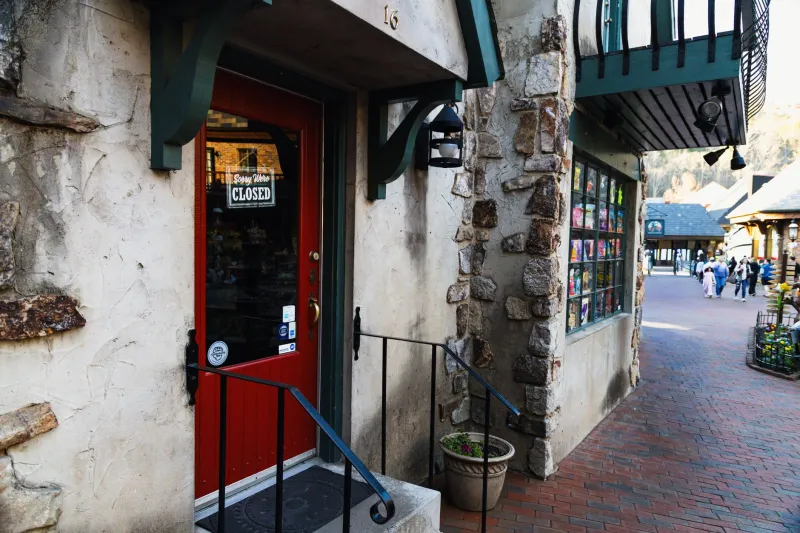
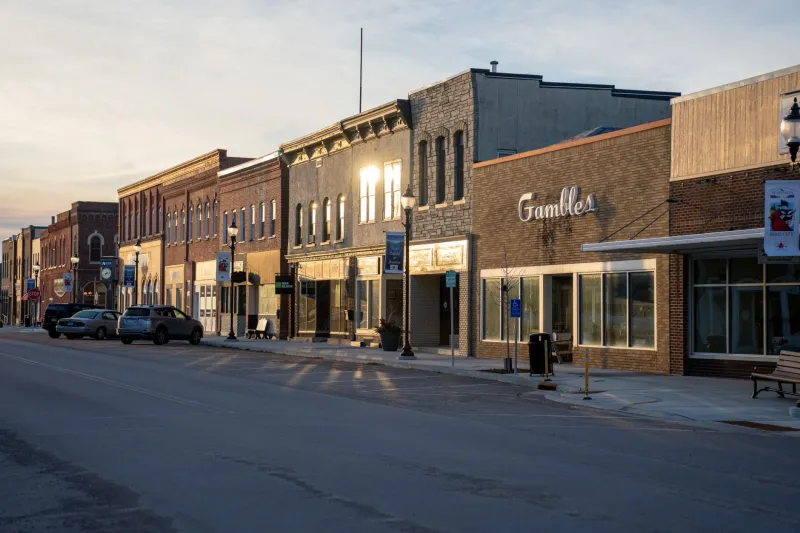
Same City, Opposite Fates: Why Two Similar Businesses Can Have Completely Different Futures
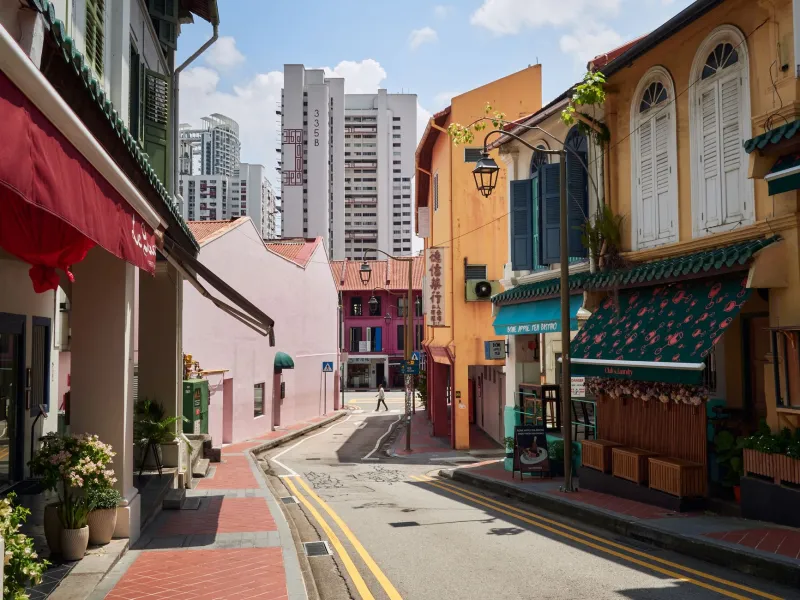
Drive ten minutes across almost any American city and you'll witness a tale of two economies — one block buzzing with new signage and packed parking lots, another dotted with paper-covered windows and going-out-of-business banners. The wild part? Two nearly identical businesses — same industry, same price range, similar quality — can land on completely opposite sides of that divide based on factors that have almost nothing to do with how well they're actually run.
This is the hyperlocal recession most financial headlines never bother to cover. National GDP numbers and Federal Reserve announcements don't capture what's happening at the corner of Fifth and Main in your specific zip code. But you live there. And if you know what to look for, you can start reading these micro-economies like a map.
The Zip Code Effect Is More Powerful Than You Think
Economists have a term for it: spatial inequality. In plain English, it means that your address — not just your income — determines a surprising amount of your economic reality. For local businesses, this plays out in brutal and often invisible ways.
Consider two family-owned Italian restaurants. One sits in a neighborhood where median household income has grown 12% over the past five years, new residential construction is underway three blocks away, and a recently opened craft brewery has turned Friday nights into a destination event. The other operates in a corridor where two anchor retailers closed last year, foot traffic has dropped, and longtime residents are moving out faster than new ones are moving in.
Both restaurants might serve equally good food. Both owners might work equally hard. But one is riding a rising tide, and the other is bailing water.
According to data from the National Bureau of Economic Research, hyperlocal economic conditions — measured at the census tract level — can vary so dramatically within a single city that neighboring zip codes effectively experience different recessions at different times. What looks like a healthy metro economy on paper can mask entire neighborhoods quietly collapsing while others boom.
What Growth Looks Like on the Ground
When a commercial district is genuinely thriving, the signals are usually visible before any official data confirms it. Here's what to watch for when you're scoping out whether a local business is operating from a position of strength:
New residential development nearby. Apartments, condos, or townhome construction within a half-mile radius is one of the strongest leading indicators of incoming consumer spending. New residents need everything — dry cleaners, dentists, pet groomers, coffee shops. Businesses in these zones often see organic revenue growth without spending a dollar more on marketing.
Complementary businesses opening, not closing. A neighborhood where new businesses are still willing to sign leases is a neighborhood where landlords and entrepreneurs still see upside. Pay attention to what's opening, not just what's closing. A new yoga studio, a specialty grocer, or a second coffee concept moving in nearby often signals that foot traffic data is trending up.
Daytime population density. Office workers, remote workers using local cafés, and errand-runners during business hours are the unsung heroes of local business revenue. Districts with strong daytime populations — even in residential-heavy areas — tend to support businesses better through economic downturns because spending is spread across the full day, not just concentrated on weekends.
What Vulnerability Actually Looks Like
On the flip side, some businesses are operating in conditions that make survival genuinely difficult regardless of how good they are at their craft. Recognizing these signals isn't about writing anyone off — it's about being a more informed consumer who can choose to direct support where it matters most.
High commercial vacancy rates on the same block. One empty storefront is bad luck. Three or four in a row is a structural problem. High vacancy concentrations signal that foot traffic has dropped to levels where businesses can't sustain themselves, and that trend rarely reverses quickly.
Anchor store closures with no replacement. When a grocery store, pharmacy, or large-format retailer shuts down in a neighborhood, the ripple effect on surrounding small businesses can be devastating. These anchors drive regular, habitual traffic. Without them, the whole ecosystem weakens.
Demographic outmigration. Neighborhoods losing population — particularly working-age adults and families — are losing their consumer base in real time. Local businesses can't replace those customers overnight, and many can't survive the gap between who used to shop there and who might eventually move in.
How to Use This as a Consumer
Here's the practical part. Once you start thinking about your local business ecosystem through this lens, your choices as a consumer carry more strategic weight than you might have realized.
Seek out the strivers in struggling zones. A well-run business operating in a difficult corridor is often doing something genuinely remarkable — and it needs your business more than the packed wine bar in the gentrifying neighborhood down the road. If you've found a great mechanic, a solid tailor, or a reliable landscaper in a less-trafficked part of town, showing up consistently can make a real difference to their bottom line.
Don't assume a busy business is a healthy one. Some businesses in high-traffic areas are running on thin margins, absorbing high rents and labor costs that eat through revenue that looks impressive from the outside. Before assuming your favorite spot is bulletproof, check in. Ask how things are going. Read between the lines of what they tell you.
Use platforms like Yellocus to track local business health over time. Reviews aren't just about rating your experience — they're data points in a longer story. A business that had 80 reviews two years ago and has barely added 10 since might be losing customers quietly. One that's accumulating new reviews consistently is staying relevant and attracting new people. That kind of pattern tells you something a star rating alone never will.
Diversify where you spend. If all your local spending goes to businesses in already-thriving districts, you're reinforcing a cycle that leaves struggling corridors further behind. It doesn't take much to shift even 20% of your regular spending toward businesses in neighborhoods that need it more.
The Part Nobody Talks About
There's a certain discomfort in acknowledging that two businesses of equal quality can have wildly different odds of survival based on their geography. It feels unfair — because it is. But awareness is the first step toward doing something useful about it.
The businesses most likely to survive the next economic downturn aren't always the best ones. They're often the ones lucky enough to be in the right zip code at the right time. Knowing that should make you more intentional about where you show up, what you review, who you refer to your friends, and which corners of your city you choose to invest your time and money in.
Local economies aren't monolithic. They're a patchwork of micro-conditions, and you're already living inside one. The question is whether you're paying attention to it.