Your Barber Already Knows: The Underground Information Network Hidden Inside Local Businesses

There's a reason people have been talking in barbershops for centuries. It's not just the idle chatter to fill time between snips. Something genuinely useful happens when the same person sees dozens of neighbors every single week, hears their frustrations, their recommendations, their warnings — and quietly files all of it away.
No algorithm captures that. No five-star rating system comes close.
We spend a lot of time these days trusting apps and platforms to point us toward good local businesses. And look, those tools have real value — Yellocus exists for exactly that reason. But there's a whole layer of community knowledge that never makes it onto any screen. It lives in conversations. It travels by word of mouth. And the people who hold the most of it? They're often the local service providers you see on a regular schedule.
Why Local Service Pros Become Community Hubs
Think about the nature of a recurring service appointment. Your barber sees you every three to four weeks. Your nail salon has had the same Tuesday regulars for years. Your dog groomer knows half the pets on your street by name — which means they know half the owners, too.
These aren't transactional relationships. They're ongoing ones. And ongoing relationships produce something valuable: accumulated, hyper-local knowledge that's been stress-tested by real experience.
When a neighbor tells their stylist that the new HVAC company on Route 9 left them hanging for two days without air conditioning, that story doesn't disappear. It gets quietly filed. And the next time someone in that chair mentions they need an HVAC tech, there's a pretty good chance they'll hear about it.
This is the word-of-mouth economy in its purest form. It predates Yelp, Google Reviews, and every other platform trying to quantify trust. And it's still running strong.
The Information No App Can Collect
Here's the thing about online reviews: they capture moments. A customer had a great experience — or a terrible one — and they wrote it down. That's useful. But it's a snapshot, not a pattern.
Local service providers who are embedded in their communities see patterns. They hear the same contractor's name come up with a complaint twice in one month. They notice when a newer business starts generating consistent buzz. They pick up on neighborhood shifts — which blocks are getting investment, which landlords are letting properties slide, which businesses are quietly struggling.
None of that makes it to a review platform. It's too nuanced, too conversational, too tied to specific context. But it's often more predictive of quality and reliability than anything you'd find online.
A longtime hairdresser in a mid-size city knows which local plumbers actually show up on time. A neighborhood barber probably has a short list of electricians he'd call for his own house — and a longer list of ones he'd steer you away from. That knowledge didn't come from a Google search. It came from years of listening.
How to Actually Tap Into This Network
Most of us don't think to ask. We sit in the chair, make small talk about the weather or the game last night, and leave without ever accessing the most useful resource in the room.
Changing that is simpler than it sounds.
Ask directly, but casually. You don't need to make it formal. If you're looking for a good landscaper, just mention it. "Hey, you probably hear a lot — anyone in the neighborhood you'd actually recommend for yard work?" That's it. You've opened the door.
Be specific about what you need. "A good plumber" is a vague ask. "A plumber who's reliable and won't ghost you after the estimate" is a much more useful one. The more specific you are, the more targeted the response.
Ask what to avoid, not just what's good. This is where word-of-mouth really earns its keep. People are often more willing to share a warning than a ringing endorsement. And warnings are incredibly valuable when you're trying to avoid a bad experience.
Cross-reference what you hear. If your barber mentions a business and you later hear the same name from your dog groomer, that's a signal worth paying attention to. Convergence in word-of-mouth is a strong indicator of reliability.
The Trust Factor That Can't Be Faked
One of the reasons local service networks are so powerful is the accountability built into them. When your hairdresser recommends someone, she's putting her own credibility on the line. If the recommendation goes sideways, you're going to say something the next time you're back in her chair. That social accountability creates a natural filter that anonymous online reviews simply don't have.
This is why the best local recommendations tend to come from people who are themselves embedded in the community — not random usernames, but actual neighbors with skin in the game.
At Yellocus, we believe strongly in the power of local reviews and community-driven discovery. But we'd be the first to say that digital platforms work best when they're layered on top of real human networks — not used as a replacement for them. The two work together. Use a platform to find candidates, then use your local network to vet them.
Your Town Has More Connectors Than You Think
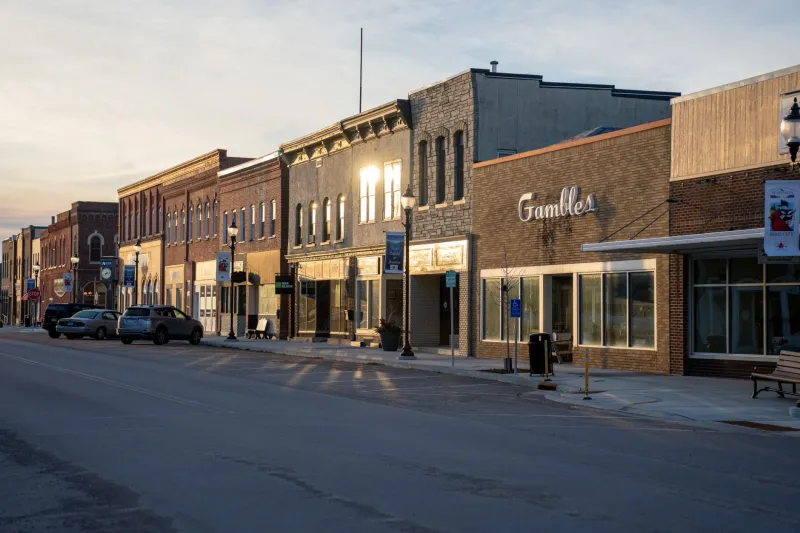
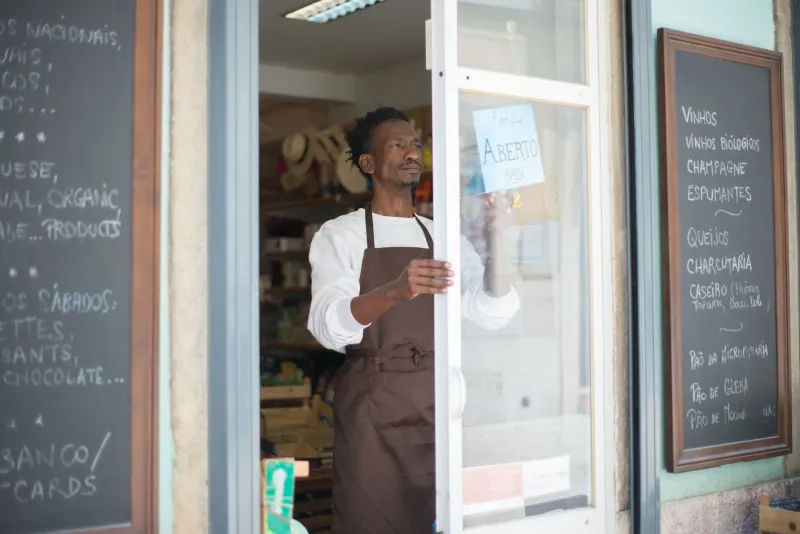
Barbershops and salons get a lot of attention as community hubs, but they're far from the only ones. Think about the small gym where the same regulars show up every morning. The local coffee shop where the owner knows everyone's order. The neighborhood hardware store where the guy behind the counter has been fielding DIY questions for twenty years.
All of these people are sitting on deep reservoirs of community knowledge. They've watched businesses open and close. They've seen which contractors do quality work and which ones cut corners. They've heard the stories — good and bad — that never made it to any website.
The smartest consumers in any town have figured out how to access these networks. They treat their regular service providers as partners in navigating local life, not just people who cut their hair or fix their pipes.
So the next time you're looking for someone you can actually trust, don't just open an app. Ask the person who's been listening to your neighborhood for years. Chances are, they already know exactly who you should call.